Featured Trip - 10 Days Everest Base Camp Trek -
Explore More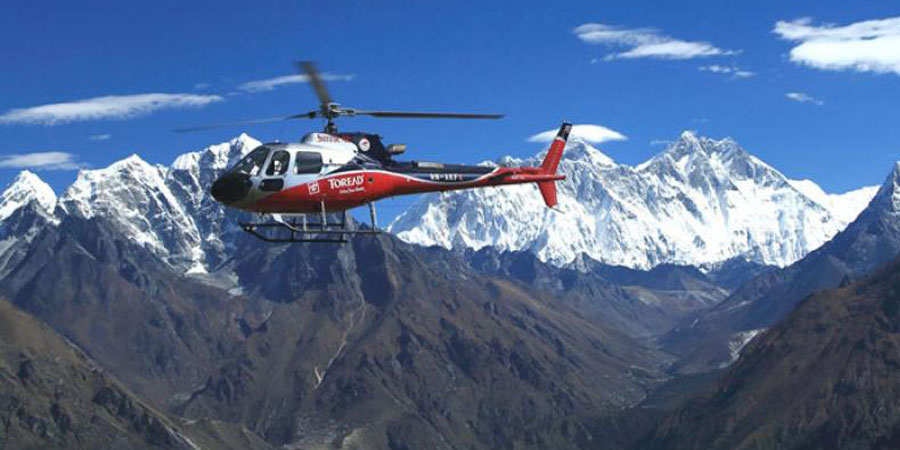
Everest Base Camp Heli Trek is a popular adventure in Nepal that allows travelers to experience the beauty and majesty of the Himalayas while also enjoying the convenience of a helicopter ride. This trek typically starts and ends in Kathmandu, the capital city of Nepal.
The trek begins with a short flight from Kathmandu to Lukla, a small town located in the Solu-Khumbu region of Nepal. From Lukla, travelers will begin their trek to Everest Base Camp, which is located at an altitude of about 5,364 meters (17,598 feet) above sea level.
The trek to base camp typically takes about 7-8 days, depending on the pace of the group. Along the way, trekkers will have the opportunity to experience the local culture, visit ancient monasteries, and enjoy the stunning mountain scenery.
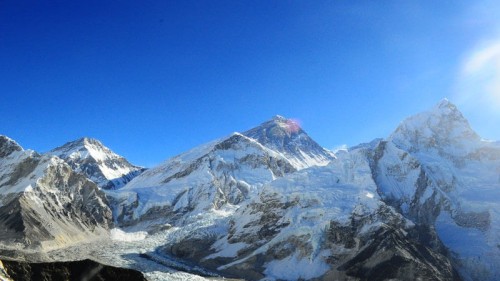
Once trekkers reach Everest Base Camp, they will have the opportunity to visit the base camp itself, as well as the nearby Khumbu Glacier and the Khumbu Icefall. From there, travelers will begin their return journey, either by helicopter or on foot, depending on the itinerary. The trek typically ends with a return flight to Kathmandu.
Overall, the Everest Base Camp Heli Trek is a unique and memorable adventure that combines the thrill of trekking in the Himalayas with the convenience of a helicopter ride. It is an excellent way to experience the beauty and culture of Nepal while also enjoying the comfort of modern amenities.
The best seasons for a short Everest Base Camp heli trek return to Kathmandu (KTM) depend on your preferences and the type of experience you are looking for. Here are some things to consider when planning your trip:
Weather: The weather in the Everest region can vary significantly depending on the season. The best time to visit is typically considered to be from September to November, when the weather is clear and dry, with daytime temperatures ranging from 15-20°C (59-68°F). This is also the busiest time of year for trekking, so it may be more crowded on the trails.
Snow and Ice conditions: If you are planning to do a short trek that involves some hiking, you may want to avoid the winter months (December to February) when the trails can be covered in snow and ice.
Temperature: The temperature in the Everest region can drop significantly at night, especially at higher elevations. If you are sensitive to cold temperatures, you may want to avoid visiting during the winter months when the temperature can drop below freezing.
Monsoon season: The monsoon season in Nepal typically runs from June to September, and it can bring heavy rainfall and cloudy skies to the Everest region. If you want to avoid the rain, you may want to avoid visiting during this time.
Overall, the best time to visit the Everest region will depend on your personal preferences and the type of experience you are looking for. If you want to enjoy clear skies and warmer temperatures, September to November is a good time to visit. If you want to avoid the crowds, you may want to visit during the shoulder seasons (April to May or December to February).
Permits and Guides
To complete the short Everest Base Camp heli trek and return to Kathmandu, you will need the following permits and guides:
Trekking Permit: You will need to obtain a trekking permit from the Nepal Tourism Board in order to trek in the Everest region. This permit is mandatory and must be obtained before you start your trek.
TIMS Card: A Trekker’s Information Management System (TIMS) card is also required for all trekkers in Nepal. This card is used to track the movements of trekkers in the region and helps to ensure their safety.
Guide: It is recommended to hire a local guide for your trek, as they will be able to provide valuable information about the region and its culture, as well as help you navigate the trails and ensure your safety.
Porter: If you are planning to hire a porter to carry your gear, you will need to obtain a permit for them as well. This permit should be obtained through your guide or trekking agency.
Helicopter Permit: If you are planning to fly to and from the Everest Base Camp by helicopter, you will need to obtain a helicopter permit from the Civil Aviation Authority of Nepal. This permit must be obtained before you start your trek and will need to be presented to the helicopter company at the time of your flight.
Backpack: A backpack with a capacity of at least 50 liters is recommended for this trek, as you will need to carry all of your personal belongings and gear with you. Make sure to choose a backpack with good ventilation and comfortable straps to prevent any discomfort or injury during the trek.
Sleeping bag: A good quality sleeping bag is essential for this trek, as you will be sleeping in lodges or tents along the way. Make sure to choose a sleeping bag that is rated for cold temperatures and is suitable for the season you will be trekking in.
Warm clothing: It is important to dress in layers while trekking in the Himalayas, as the weather can change quickly and dramatically. Make sure to bring warm clothing such as fleece jackets, thermal tops and bottoms, and a down jacket or parka for colder temperatures.
Trekking boots: A good pair of trekking boots is essential for this trek, as you will be walking on uneven terrain and in potentially wet or muddy conditions. Make sure to choose a pair of boots that are waterproof, comfortable, and offer good support to prevent any foot injuries.
Headlamp: A headlamp is essential for this trek, as you may need to navigate in low light conditions or in the early morning or late evening. Make sure to bring extra batteries and a backup headlamp in case of any issues.
Water bottle: It is important to stay hydrated while trekking, so make sure to bring a good quality water bottle that can hold at least 1 liter of water. A water filter or purification tablets may also be necessary, depending on the availability of clean water along the trek.
First aid kit: It is a good idea to bring a basic first aid kit with you on this trek, including bandages, adhesive tape, pain relievers, and any other necessary medications. Make sure to bring enough supplies for the duration of the trek.
Sun protection: Make sure to bring sunscreen, a hat, and sunglasses to protect yourself from the strong sun at high altitudes.
Trekking poles: Trekking poles can be helpful in providing extra support and balance while trekking, especially on steep or uneven terrain. Make sure to choose a pair of poles that are sturdy and comfortable to use.
A Short Everest Base Camp Heli Trek Return to KTM is a unique trekking experience that combines a scenic helicopter flight to Everest Base Camp with a trekking adventure in the Everest region. It allows trekkers to explore the iconic landmarks of the Everest region and return to Kathmandu via helicopter, providing a convenient and time-efficient way to experience the Himalayas.
The duration of the Short Everest Base Camp Heli Trek typically ranges from 7 to 9 days, depending on the specific itinerary and trekking pace. It includes a combination of trekking days and a scenic helicopter flight from Everest Base Camp back to Kathmandu.
The trekking route for the Short Everest Base Camp Heli Trek follows the classic trail to Everest Base Camp via Namche Bazaar, Tengboche, Dingboche, and Gorak Shep. After reaching Everest Base Camp, trekkers return to Kathmandu via a scenic helicopter flight.
While previous trekking experience is not required, a reasonable level of fitness and preparation is recommended for the Short Everest Base Camp Heli Trek. The trek involves walking for several hours each day at high altitudes, so it's essential to be adequately prepared physically and mentally.
The maximum altitude reached during the Short Everest Base Camp Heli Trek is approximately 5,550 meters (18,200 feet) at Everest Base Camp. Trekkers spend a short amount of time at this altitude before returning to lower elevations.
Yes, the Short Everest Base Camp Heli Trek is suitable for solo travelers, as well as groups and couples. Solo travelers have the option to join organized group treks or hire a private guide and porter for a more personalized experience.
The cost of the Short Everest Base Camp Heli Trek typically includes accommodations, meals, permits, a professional guide, porter services, domestic flights, and the helicopter flight from Everest Base Camp to Kathmandu. It's essential to check with the trekking company for specific inclusions.
Trekkers should pack essentials such as sturdy trekking boots, warm clothing layers, a sleeping bag, personal hygiene items, a first aid kit, sunglasses, sunscreen, a hat, a camera, and any necessary medications. It's also recommended to pack light and only bring essential items.
The best time to do the Short Everest Base Camp Heli Trek is during the spring (March to May) and autumn (September to November) seasons when the weather is generally clear, and the skies offer optimal visibility of the Himalayan peaks.
While there are no strict age restrictions, trekkers should be in good health and have a reasonable level of fitness to undertake the Short Everest Base Camp Heli Trek. It's essential to consult with a healthcare professional before embarking on the trek, especially for older adults and individuals with pre-existing medical conditions.
Response Time 3 Hours , Response Rate 100%
Enjoy the popular trekking and tour packages in Nepal Himalayas. 2026.
© 2011 - 2026 All rights reserved. Everest Helicopter Trek